Noticeable color changes that aren’t normal
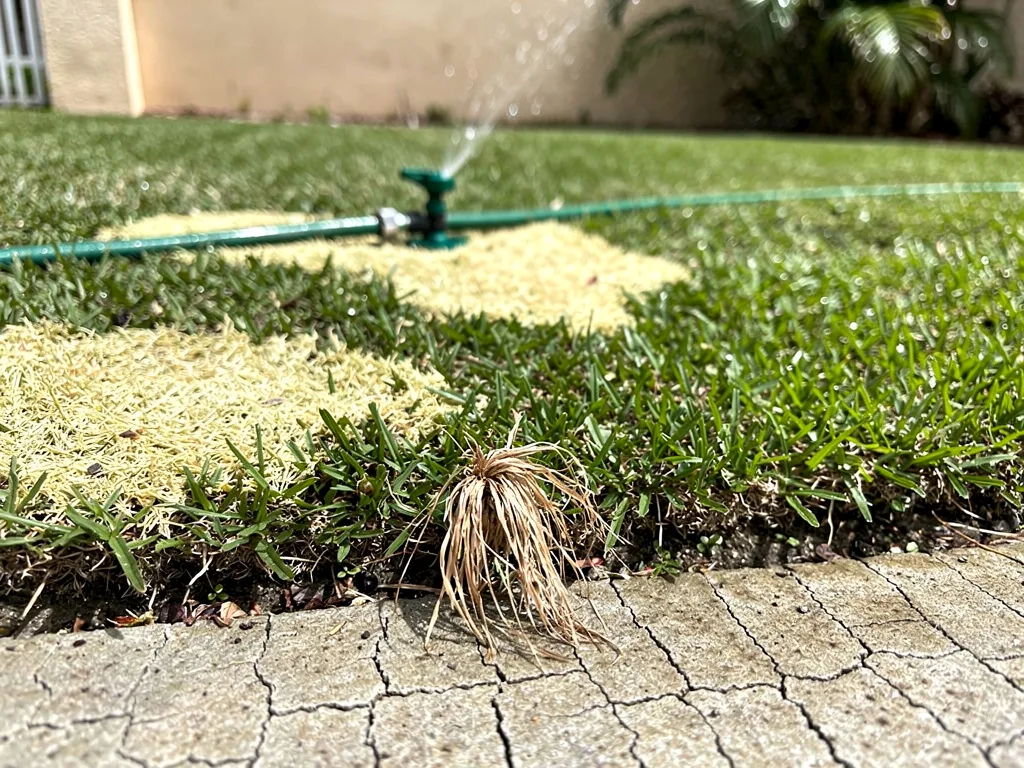
In Tampa the sun is bright and the heat sticks around. When a lawn care specialist sees yellowing or pale green patches that spread slowly, that is a signal something is off. It could be uneven irrigation, compacted soil, or a nutrient imbalance. Keep an eye on areas that stay lighter even after a good rain. Those spots don’t fix themselves and often need a quick check of soil moisture and a closer look at how water flows across the yard.
Compare the color across different zones of the lawn. If only one side of the yard is pale, it’s usually a watering issue or soil condition there. If the entire lawn looks washed out, it could be a broader nutrient or soil structure problem. A lawn care specialist from Tampa Landscaping Companies Group can walk the yard with you and point to the root cause rather than guessing from across the fence line.
Patchy growth and edge symptoms
When you see rings or irregular patches that don’t follow the natural contours of the lawn, that’s a sign something is out of balance. In Tampa, heat and heavy rain can stress grass quickly. Patchy areas that stay thin after several mowing cycles may indicate that the root zone has started to compact or that the soil is crusting on the surface. A near-term check of core soil moisture and thatch layer helps determine if you need aeration or a light overseed.
Edges that turn crisp or burn along driveways and sidewalks are a common early warning. This can be caused by fast evaporation at the border or salt buildup from irrigation water in very dry spells. A lawn care specialist will test soil and adjust the irrigation plan so water reaches the root zone where it matters most.
What to do next
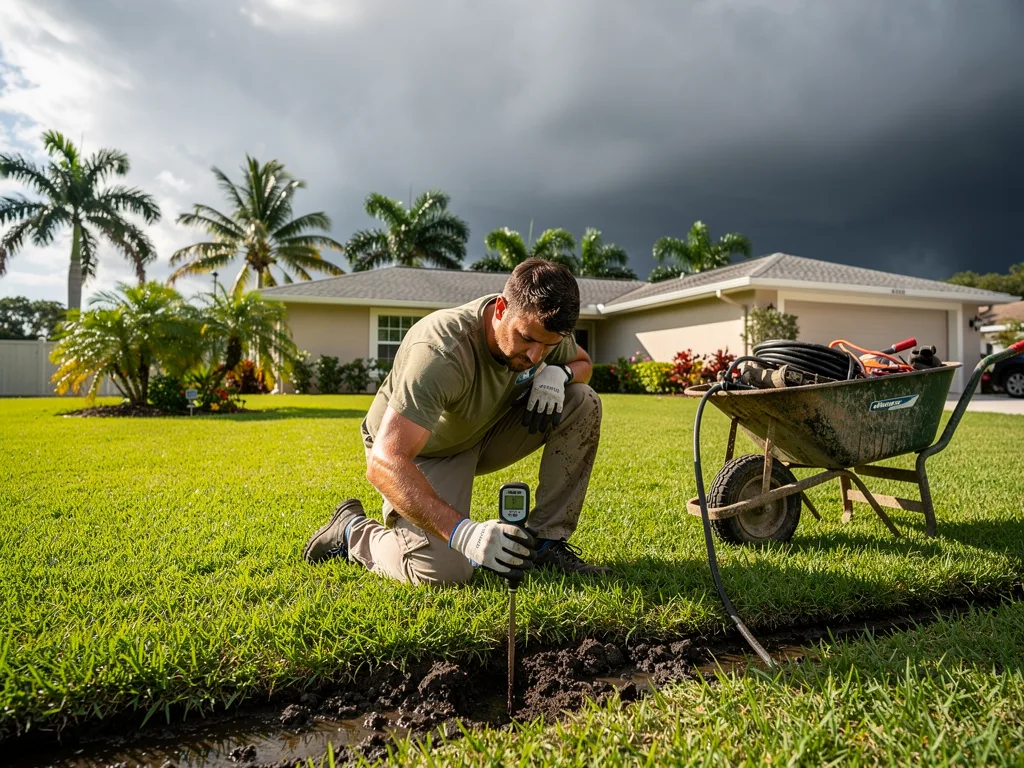
Take notes on when you first notice the issue, including weather and recent watering patterns. If you see persistent yellowing, a lawn care specialist from our crew will check soil pH, nutrient levels, and irrigation timing. In Tampa, small changes can make a big difference, adjusting mowing height, loosening compacted soil, and ensuring even water distribution often stops problems before they spread.
Regular assessments from a local lawn care specialist help keep trouble signals from turning into bigger issues. If you’re unsure about what you’re seeing, reach out for a complimentary evaluation and we’ll walk the yard with you and explain what we’d change and why.